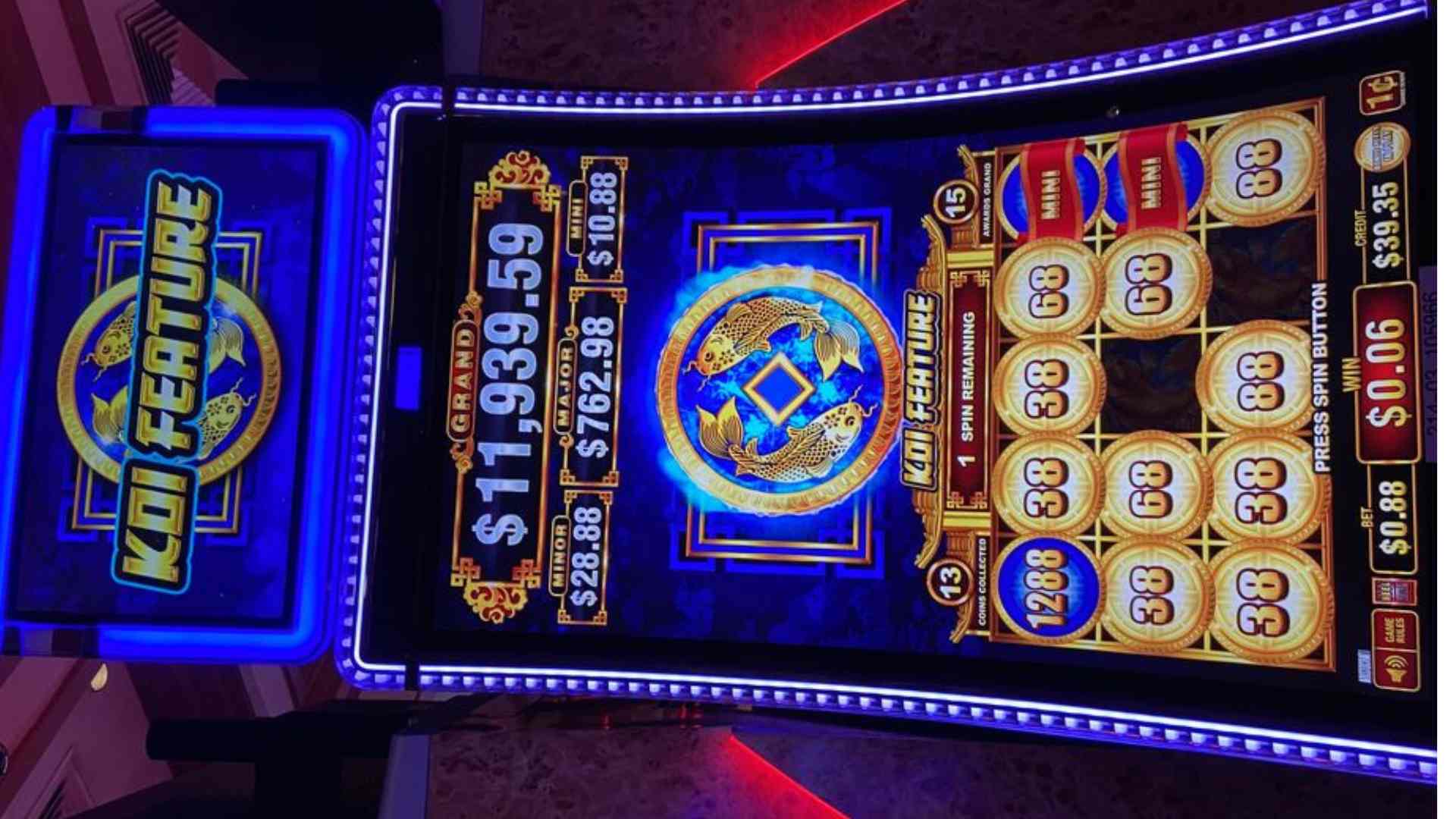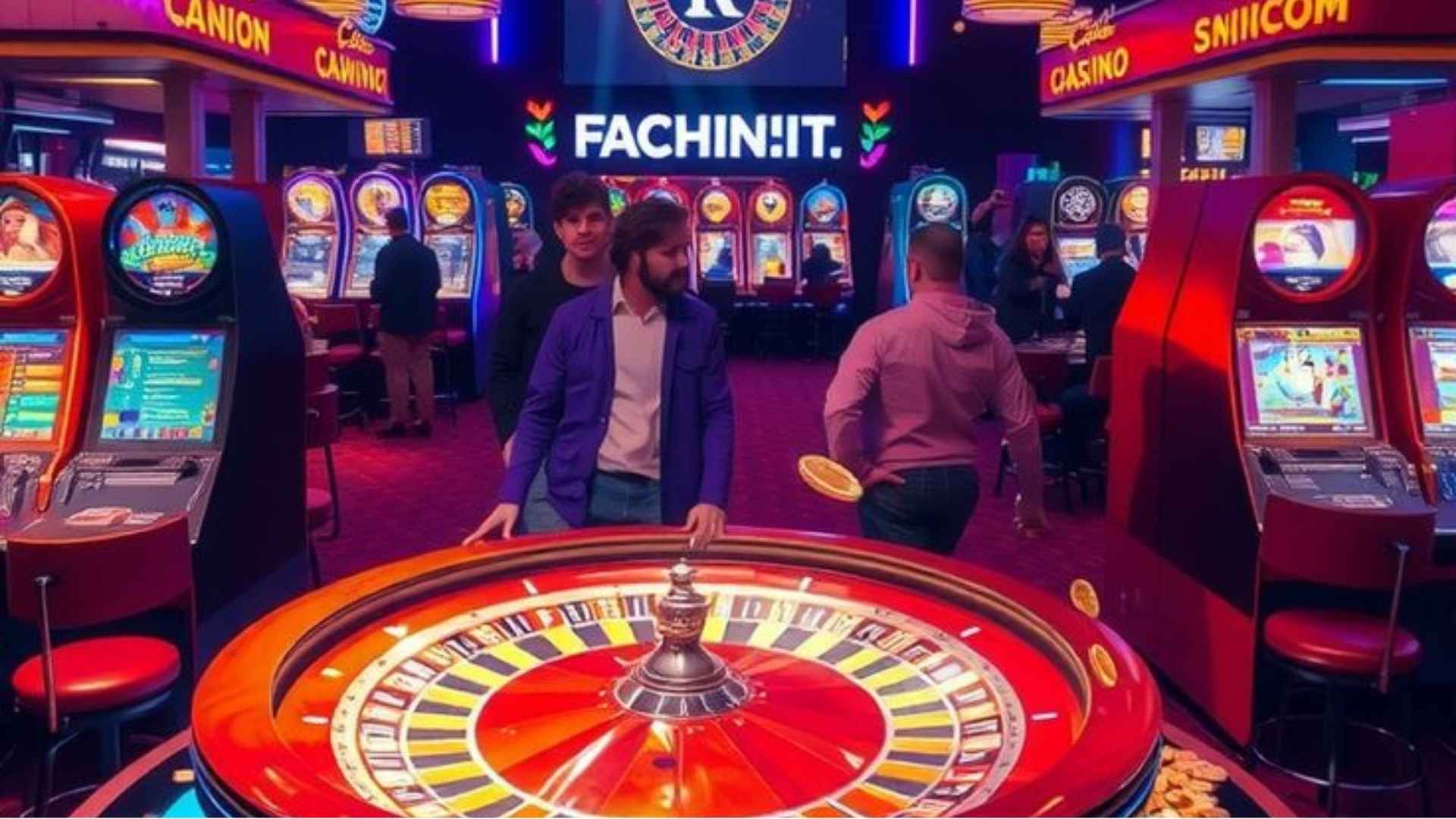
The concept of the spinning wheel has persisted as a foundational element of recreational design for centuries, adapting seamlessly across different cultural eras. While modern technology continuously introduces intricate progression systems, the simple allure of an unpredictable prize format remains uniquely effective at capturing human interest. This enduring popularity highlights a fundamental aspect of human psychology that thrives on curiosity and spontaneous discovery.
The Psychology of Unpredictable Outcomes
Human behavior is naturally drawn toward instances of random selection, making the mechanics of a spinning dial universally engaging. When the final outcome is hidden or uncertain, the brain experiences a notable spike in focus and anticipatory excitement. This brief moment of waiting often delivers more pure entertainment value than the actual value of the prize received.
Furthermore, the physical or digital presence of multiple potential segments creates a highly transparent environment for participants. Seeing all possible rewards displayed simultaneously sparks genuine curiosity while removing the need for complex player strategies. This straightforward interaction allows anyone to participate instantly without a steep learning curve.
Technological Integration in Modern Systems
Digital game designers have successfully modernized classic carnival layouts by integrating advanced interface animations and responsive sensory cues. High-definition visuals and synchronized sound effects amplify the overall dramatic tension as the wheel gradually loses its momentum. These real-time audio-visual feedback loops ensure that even a very short play session leaves a memorable impression.
Many leading digital platforms use these dynamic mechanics to complement their primary entertainment services and enhance user retention. Industry analysis, such as a comprehensive m88 review, indicates that implementing customized reward wheels helps sustain long-term audience curiosity. By blending traditional principles with contemporary software design, operators maintain a high level of interactive engagement.
Aesthetic Flexibility and Theme Diversity
Another key driver behind the continued relevance of these games is the incredible variety of creative themes available to developers. A single mechanical framework can be visually redesigned to reflect futuristic science fiction, historical ancient mythology, or minimalist corporate branding. This aesthetic versatility allows casual applications to appeal effectively to entirely different audience demographics.
Beyond the external appearance, the structural composition of the prize segments has undergone a necessary evolutionary shift. Modern configurations frequently mix immediate multipliers, mystery bonuses, and secondary loyalty points to diversify the user experience. Ensuring that every potential outcome carries distinct practical value prevents the core gameplay loop from feeling repetitive over time.
The Sustainable Future of Random Selection
As digital media continues to explore deeper levels of interactive immersion, the classic wheel format is projected to adapt alongside emerging technologies. Virtual reality environments could soon enable consumers to physically interact with customized circular interfaces in real time. This progression will likely deepen brand loyalty by turning simple passive clicks into a fully tactile experience.
Ultimately, the timeless appeal of random rewards secures a permanent position for spinning mechanics within contemporary culture. Their innate simplicity provides a welcome alternative to demanding strategy titles while maintaining a strong sense of visual gratification. By balancing transparent risk with varied reward distribution, creators guarantee that the excitement of the spin remains effective for future generations.