The concept of the spinning wheel has served as a foundational element in gaming history, bridging the gap between ancient mechanisms of chance and modern digital interfaces. As player preferences shift toward more engaging and dynamic experiences, developers are forced to rethink how these classic mechanics function. This drive for modern engagement has transformed simple revolving designs into powerful catalysts for technological and creative breakthroughs within the global entertainment sector.
The Shift to Immersive Digital Environments
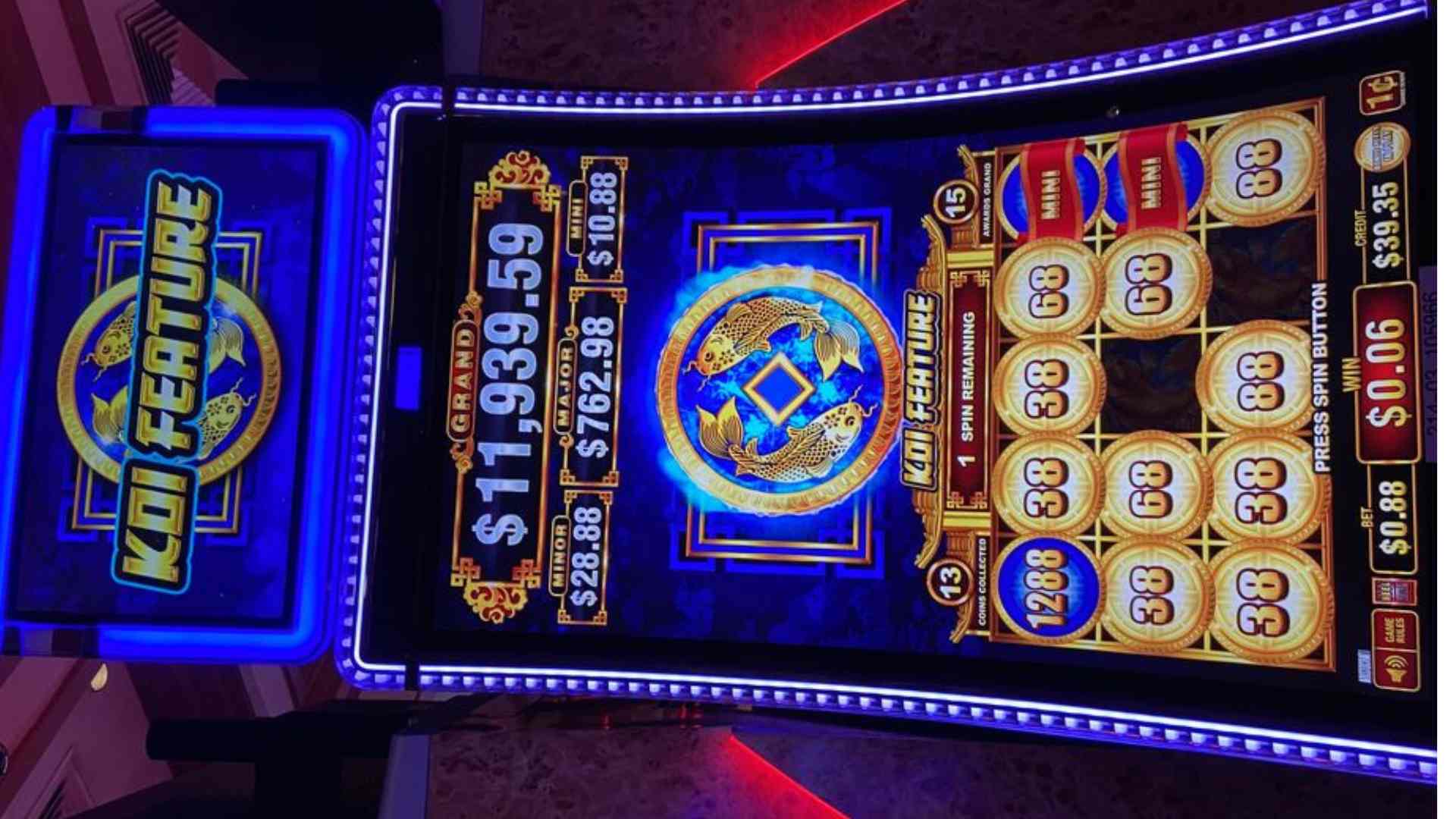
Modern developers are no longer satisfied with presenting a basic static wheel on a flat digital screen. Instead, they leverage advanced real-time rendering and high-definition streaming technologies to construct virtual studios that react dynamically to player choices. This technical evolution ensures that each spin feels physically present and highly interactive, raising the standard for virtual entertainment.
By integrating complex visual physics, digital platforms can simulate the precise friction and weight of a physical wheel. Players who want to observe these sophisticated digital systems in action can explore platforms like the Link M88 Mansion to see how modern interfaces manage real-time game states. This level of technical execution demonstrates how traditional concepts are continuously refined to meet contemporary security and performance standards.
Gamification and Multi-Layered Mechanics
To keep audiences engaged over longer periods, contemporary wheel designs have adopted multi-layered mechanics that go far beyond simple win-or-lose outcomes. Developers now introduce secondary bonus rounds, interactive multipliers, and progression systems that unfold directly from a single spin. This layered design converts a passive viewing experience into an active journey where players make meaningful tactical choices.
These innovative structural additions have successfully attracted a broader demographic of players who enjoy strategic depth over pure predictability. By blending elements of popular video games with traditional random generators, creators are establishing a completely new genre of hybrid entertainment. This creative crossover ensures the core mechanic remains exciting and highly adaptable to future industry trends.
Fostering Community Through Live Interactivity
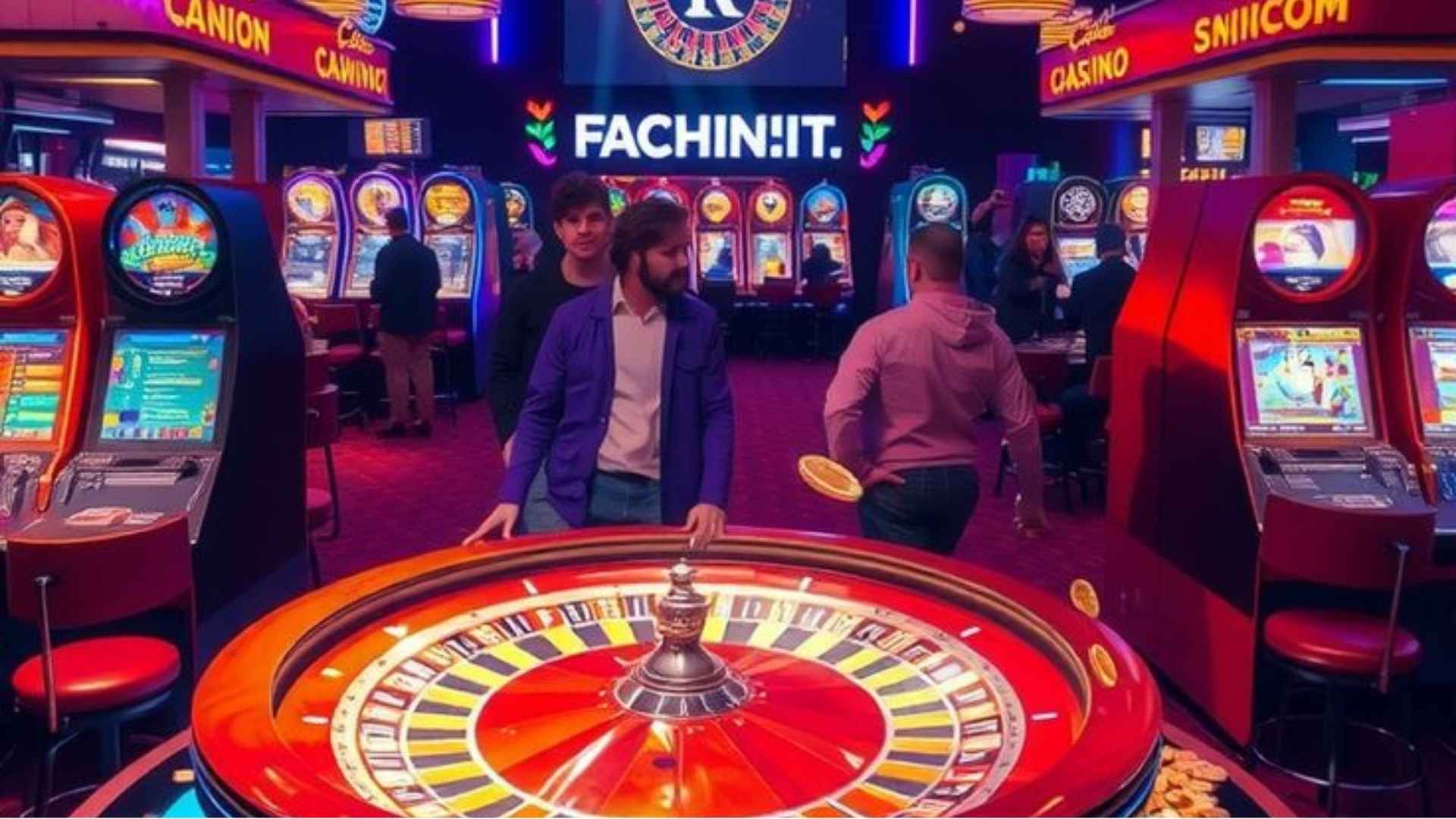
One of the most significant changes in modern wheel-based entertainment is the incorporation of social and collaborative features. Live hosts, real-time chat APIs, and community-driven event triggers allow hundreds of participants to share the anticipation of a single rotation simultaneously. This shared community element replicates the collective excitement of historic carnival midways while offering the convenience of modern mobile access.
By turning an isolated digital activity into a shared social space, operators are seeing much higher retention and user satisfaction. The technology required to sync these massive global audiences in real time continues to push the boundaries of server infrastructure and data transmission. Ultimately, the humble wheel continues to prove that even the oldest concepts can inspire the future of digital connectivity when combined with forward-thinking design.